
By Rochelle E. Brenner
Investment in your children isn’t just about money. It’s about intentionality:
- Read with your child and encourage curiosity.
- Expose them to diverse low-cost experiences – museums, nature, community events. Encourage them to ask questions and think deeper
- Support emotional resilience through open communication and affirmation.
- Advocate for their growth, even when immediate results seem inaccessible.
- Invest in experiences that encourage and challenge them
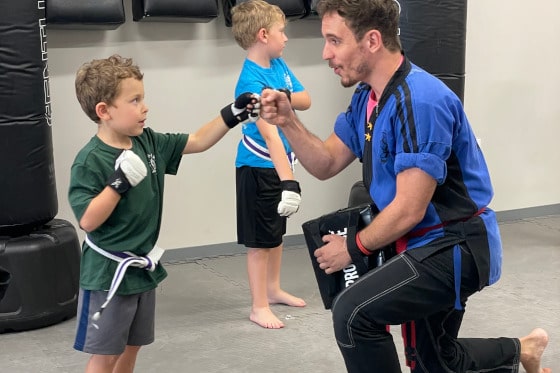
- Prioritize spending money on their future, not bad habits. Invest in martial arts over a gaming system, for example.
- Don’t give them what they can earn
- Remind them they can have whatever they want, just not whenever they want
- Make important decisions for them. Don’t let them skip important life lessons and experiences.
Every hour spent nurturing your child’s development is a deposit into their future. And while the playing field may not be level, your commitment can be the difference between surviving and thriving.
Money matters, but there are many ways you can get the benefits of the rich without the same bank account.
Children who receive sustained investment from their families are far more likely to access elite institutions, secure high-status careers, and get on a path of upward mobility. The most decisive factor in a child’s future isn’t just talent or effort – it’s investment. From early education to emotional support, the resources parents devote to their children’s development create a lasting advantage that ripples through every stage of life.
This observation was part of a discussion at Oxford University, where admissions are supposed to be based purely on merit – not lineage or financial resources. Despite having no legacy admissions or overt favoritism, a disproportionate number of Oxford students come from affluent families. Some of the world’s most influential thinkers at Oxford observed that this isn’t due to cheating or a fluke—it’s the result of long-term developmental investment.
- Private education, tutoring, and exam prep give these students a measurable edge in admissions.
- Cultural exposure – from travel to literature to mentorship – builds the kind of polish and confidence that elite institutions reward.
- Parental time and financial flexibility allow for extracurriculars, internships, and application coaching that others simply can’t afford.
- High-quality extracurriculars with measurable goals and expectations boost confidence and achievements
These advantages aren’t about innate ability – they’re about being equipped. Investment in a child’s development doesn’t just open doors – it builds momentum. One success builds on another: they’re getting good grades, exposed to failure and success, and spending time with ambitious peers.
This compounding effect means that early investment snowballs into lifelong advantage. Tip the scale in your favor every chance you get.